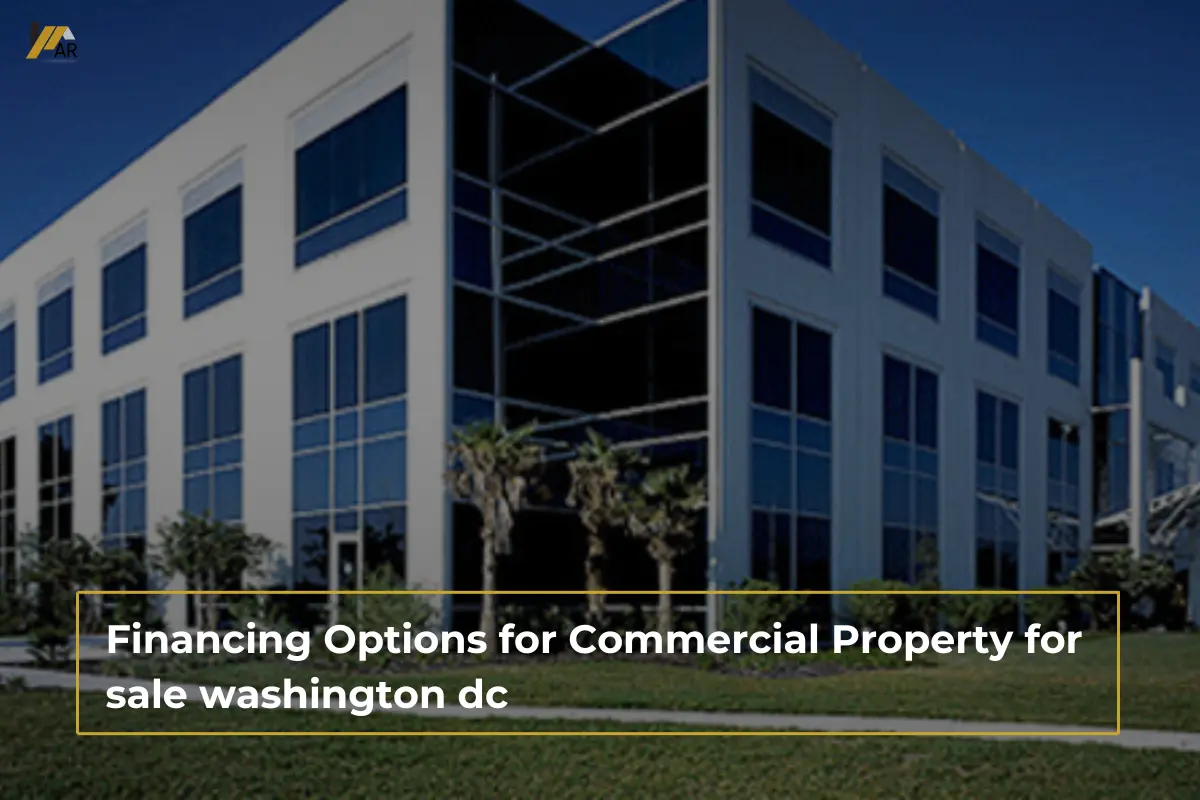
Buying commercial property for sale Washington DC is a major financial decision, and for most investors, financing plays a critical role in making that purchase viable. Whether you are acquiring a small retail unit, a mixed-use building, an office space, or a multi-family asset, understanding your financing options can be the difference between a profitable investment and a costly mistake.
Washington DC’s commercial real estate market is unique. It is driven by government activity, international organizations, stable employment, and limited land supply. This creates strong demand but also higher property prices and stricter lending standards. As a result, choosing the right financing structure is just as important as selecting the right property.
In this guide, you will learn how commercial property financing works in DC, explore traditional and alternative loan options, understand eligibility requirements, compare risks and benefits, and avoid common pitfalls. Whether you are a first-time buyer or an experienced investor, this article provides practical insights to help you finance commercial property in Washington DC with confidence.
Understanding the Washington DC Commercial Property Market
Why Financing Is Different in DC
Washington DC is not a typical commercial real estate market. Lenders often view DC as lower risk due to stable tenancy from government agencies, contractors, nonprofits, and embassies. However, this does not automatically make financing easier.
Properties are expensive, competition is intense, and lenders expect borrowers to be well-prepared. Financing a commercial property for sale Washington DC often requires higher down payments, stronger credit profiles, and detailed financial documentation.
Typical Property Types in DC
Before choosing a loan, lenders look closely at property type. Common commercial assets in DC include:
- Office buildings
- Retail storefronts
- Mixed-use developments
- Multifamily apartment buildings
- Industrial or flex spaces
Each category has different risk profiles, which directly affect loan terms, interest rates, and approval timelines.
How Commercial Property Financing Works
Loan-to-Value (LTV) Ratios
Most commercial lenders in DC offer LTV ratios between 60% and 75%. This means buyers typically need a 25%–40% down payment.
For example:
If a property costs $2,000,000 and the lender offers 70% LTV, the loan amount is $1,400,000, and the buyer must contribute $600,000.
Debt Service Coverage Ratio (DSCR)
Lenders also evaluate DSCR, which measures whether rental income can cover loan payments. Most DC lenders require a DSCR of 1.20–1.30, meaning the property generates at least 20–30% more income than required debt payments.
Loan Terms and Amortization
Commercial loans often feature:
- Loan terms: 5–10 years
- Amortization periods: 20–30 years
- Balloon payments at maturity
Understanding these structures is essential when financing commercial real estate in Washington DC.
Traditional Bank Loans for Commercial Property

Conventional Commercial Mortgages
Traditional banks remain a popular option for financing commercial property for sale Washington DC, especially for stabilized properties with long-term tenants.
Pros:
- Competitive interest rates
- Long-term lender relationships
- Structured underwriting
Cons:
- Strict qualification criteria
- Slower approval timelines
- Large documentation requirements
Banks typically prefer experienced investors with strong financials and established businesses.
When Bank Loans Make Sense
Conventional loans work best if:
- The property is fully leased
- The borrower has strong credit (700+)
- The deal has predictable cash flow
If your situation is less traditional, alternative financing may be a better fit.
SBA Loans for Commercial Property in Washington DC
SBA 7(a) Loans
SBA 7(a) loans are popular among owner-occupiers buying commercial property in DC. These loans are partially guaranteed by the Small Business Administration.
Key features:
- Down payments as low as 10%
- Loan amounts up to $5 million
- Terms up to 25 years for real estate
Borrowers must occupy at least 51% of the property.
SBA 504 Loans
The SBA 504 program is ideal for larger purchases or expansion projects.
Structure:
- 50% bank loan
- 40% SBA loan
- 10% borrower equity
This structure reduces lender risk and allows lower down payments.
Limitations of SBA Financing
While SBA loans offer attractive terms, they involve longer approval times and strict usage requirements. They are not suitable for purely passive real estate investments.
Private and Alternative Commercial Real Estate Financing
Private Lenders and Debt Funds
Private lenders are increasingly active in commercial real estate financing Washington DC, especially for complex or time-sensitive deals.
Advantages:
- Faster approvals
- Flexible underwriting
- Willingness to fund unconventional assets
Disadvantages:
- Higher interest rates
- Shorter loan terms
These loans work well for value-add projects or bridge financing.
Hard Money Loans
Hard money loans are asset-based and focus more on property value than borrower credit.
They are best suited for:
- Short-term acquisitions
- Renovation projects
- Investors planning quick refinances
Due to higher costs, they should be used strategically.
Commercial Mortgage Rates in Washington DC

What Influences DC Commercial Mortgage Rates
Rates vary based on several factors:
- Property type
- Loan size
- Borrower creditworthiness
- Market conditions
As of recent trends, DC commercial mortgage rates typically range from 6.5% to 9%, depending on loan type and lender.
Fixed vs Variable Rates
Fixed rates offer stability, while variable rates may start lower but fluctuate over time. Your choice should align with investment horizon and risk tolerance.
Financing Mixed-Use and Multifamily Properties
Mixed-Use Property Challenges
Mixed-use buildings require specialized underwriting. Lenders assess the income split between residential and commercial components.
If residential income exceeds 51%, some residential loan products may apply.
Multifamily Financing Options
Multifamily properties often qualify for agency loans, including Fannie Mae and Freddie Mac programs.
Benefits include:
- Long amortization
- Non-recourse options
- Competitive rates
These are popular among institutional investors buying commercial property in Washington DC.
Down Payment Strategies and Capital Stacking
Using Equity and Partnerships
Many investors combine personal capital with partners or private equity to meet down payment requirements.
1031 Exchanges
A 1031 exchange allows investors to defer capital gains taxes by reinvesting proceeds into another commercial property.
This strategy is common among DC investors upgrading assets.
Common Mistakes to Avoid When Financing Commercial Property
Underestimating Closing Costs
Commercial transactions often include:
- Appraisals
- Environmental reports
- Legal fees
These costs can add 3–5% to the purchase price.
Ignoring Exit Strategies
Balloon payments require refinancing or sale. Buyers should plan exit options early.
Overleveraging
High leverage increases risk, especially during economic shifts or vacancy periods.
Mini Summary: Choosing the Right Financing Option
Before financing a commercial property for sale Washington DC, consider:
- Property type and income stability
- Your credit and liquidity
- Investment timeline
- Risk tolerance
Balancing cost, flexibility, and long-term goals leads to better outcomes.
Conclusion
Financing a commercial property for sale Washington DC requires more than finding a lender and signing documents. It involves strategic planning, financial analysis, and a deep understanding of how DC’s unique market operates.
From traditional bank loans and SBA programs to private lenders and agency financing, each option serves a specific investor profile. The right choice depends on property type, cash flow, experience level, and long-term strategy.
Successful investors approach financing as a tool, not just a necessity. They model cash flows, prepare for contingencies, and choose structures that support sustainable growth. With careful planning and professional guidance, commercial property financing in Washington DC can be both manageable and rewarding.
FAQs
1. What is the best financing option for commercial property for sale Washington DC?
The best option depends on your goals. Owner-occupiers often benefit from SBA loans, while investors typically use bank loans, agency financing, or private lenders.
2. How much down payment is required for buying commercial property in Washington DC?
Most lenders require 25%–40% down, though SBA loans may allow as little as 10% for qualifying buyers.
3. Are commercial mortgage rates higher in Washington DC?
Rates are competitive due to market stability, but higher property values and strict underwriting can increase borrowing costs.
4. Can foreign investors finance commercial real estate in DC?
Yes, but requirements are stricter. Higher down payments and U.S. banking relationships are usually required.
5. How long does commercial loan approval take in DC?
Traditional loans take 45–90 days, while private lenders may close within 2–4 weeks.
6. Is SBA financing available for investment properties?
No. SBA loans require owner occupancy and cannot be used for purely passive investments.
7. What documents are required for commercial property loans?
Typical documents include tax returns, financial statements, rent rolls, appraisals, and environmental reports.


- Uncategorized
- Dec 22
- 17 min read
Investing in Motels for Sale: How to Choose the Right Property
Read More
- Uncategorized
- Dec 10
- 11 min read
10 Reasons Why Country View Apartments Are Perfect for Families
Read More